The foundations of prayer
Movements & recitations
Every prayer in the guide is assembled from this library of 19 components. Open any one for the Arabic, transliteration, plain-language meaning and its source.
NiyyahBegin with intentionStanding+
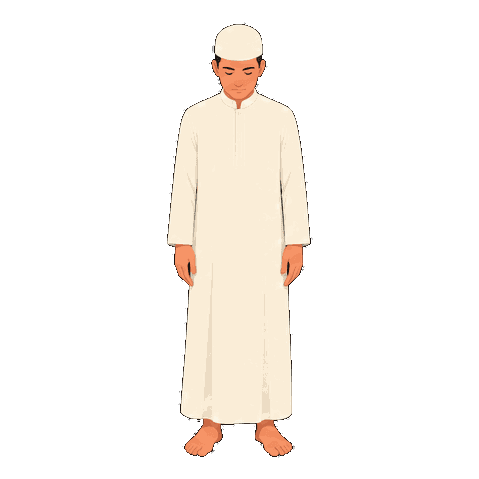
Make your intention in your heart for the prayer you are about to offer. With wudu, face the qiblah in a clean place, with the required parts of the body covered. A spoken formula is not required.
TakbirEnter your prayerTakbir+
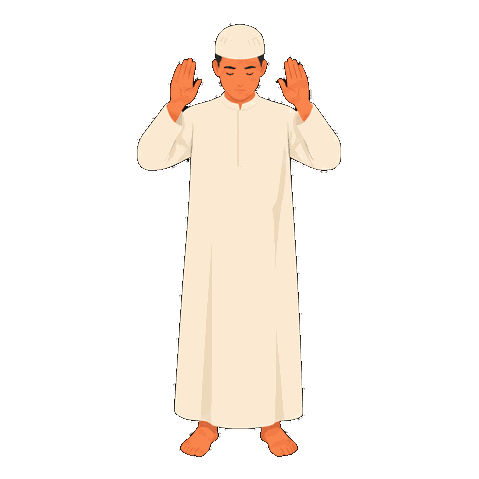
Stand upright if able. Raise your hands to shoulder or ear level and say Allahu Akbar. Then bring your hands into the standing prayer position. Hand placement differs between schools.
What to recite
اللَّهُ أَكْبَرُ
Allahu Akbar
Allah is the Greatest.
Opening duaPraise and prepareFolded hands+
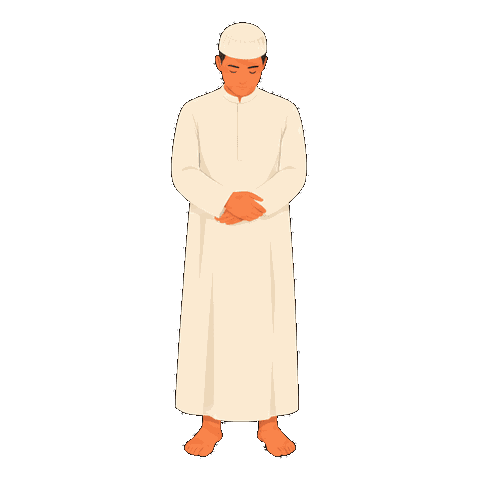
Recite an opening supplication quietly. This is one transmitted form; other authentic opening supplications are also used.
What to recite
سُبْحَانَكَ اللَّهُمَّ وَبِحَمْدِكَ وَتَبَارَكَ اسْمُكَ وَتَعَالَى جَدُّكَ وَلَا إِلَهَ غَيْرُكَ
Subhanak Allahumma wa bi hamdika, wa tabarak asmuka, wa ta‘ala jadduka, wa la ilaha ghayruk.
Glory and praise be to You, O Allah. Blessed is Your name, exalted is Your majesty, and there is no deity besides You.
Seeking refugeBefore recitingFolded hands+
Seek refuge in Allah before beginning Quran recitation, then begin Al-Fatihah with the basmalah. Details of repetition and audible recitation vary by school.
What to recite
أَعُوذُ بِاللَّهِ مِنَ الشَّيْطَانِ الرَّجِيمِ
A‘udhu billahi min ash-shaytan ir-rajim.
I seek refuge in Allah from Satan, the expelled.
Al-FatihahThe opening chapterFolded hands+
Recite Surah Al-Fatihah, slowly and attentively. Say Amin after completing it. When following an imam, recitation rules differ between schools.
What to recite
بِسمِ اللَّهِ الرَّحمٰنِ الرَّحيمِ الحَمدُ لِلَّهِ رَبِّ العٰلَمينَ الرَّحمٰنِ الرَّحيمِ مٰلِكِ يَومِ الدّينِ إِيّاكَ نَعبُدُ وَإِيّاكَ نَستَعينُ اهدِنَا الصِّرٰطَ المُستَقيمَ صِرٰطَ الَّذينَ أَنعَمتَ عَلَيهِم غَيرِ المَغضوبِ عَلَيهِم وَلَا الضّالّينَ
Bismillahir-Rahmanir-Rahim. Al-hamdu lillahi Rabbil-‘alamin. Ar-Rahmanir-Rahim. Maliki yawmid-din. Iyyaka na‘budu wa iyyaka nasta‘in. Ihdinas-siratal-mustaqim. Siratal-ladhina an‘amta ‘alayhim, ghayril-maghdubi ‘alayhim wa lad-dallin. (Amin)
In the name of Allah, the Most Gracious, the Most Merciful. All praise is for Allah, Lord of all the worlds, the Most Gracious, the Most Merciful, Master of the Day of Judgement. You alone we worship and You alone we ask for help. Guide us on the straight path, the path of those You have blessed, not of those who earned Your anger, nor of those who went astray.
Quran recitationA short surahFolded hands+
After Al-Fatihah, recite a passage of the Quran. Al-Ikhlas is shown here as an example; it is not the only choice. In an obligatory prayer, additional recitation is ordinarily in the first two rak‘ahs.
What to recite
قُل هُوَ اللَّهُ أَحَدٌ اللَّهُ الصَّمَدُ لَم يَلِد وَلَم يولَد وَلَم يَكُن لَهُ كُفُوًا أَحَدٌ
Qul huwal-lahu ahad. Allahus-samad. Lam yalid wa lam yulad. Wa lam yakul-lahu kufuwan ahad.
Say: He is Allah, the One. Allah, the Eternal Refuge. He neither begets nor is born, and there is none comparable to Him.
Ruku‘Bow with humilityBowing (Ruku‘)+
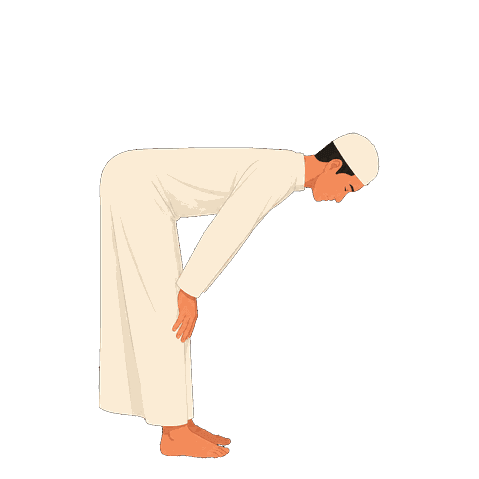
Say Allahu Akbar and bow, placing your hands on your knees. Keep your back level and let your body come to rest. Praise Allah in this position.
What to recite · Commonly repeated 3 times
سُبْحَانَ رَبِّيَ الْعَظِيمِ
Subhana Rabbiyal ‘Azim
Glory be to my Lord, the Magnificent.
QawmahReturn to standingStanding+
Rise from bowing and stand fully upright. When praying alone, say the first phrase while rising, then the second when upright. A follower responds with the praise after the imam’s call.
What to recite
سَمِعَ اللَّهُ لِمَنْ حَمِدَهُ رَبَّنَا وَلَكَ الْحَمْدُ
Sami‘ Allahu liman hamidah. Rabbana wa lakal hamd.
Allah hears whoever praises Him. Our Lord, to You belongs all praise.
SujudDraw nearer to AllahProstrating (Sujud)+
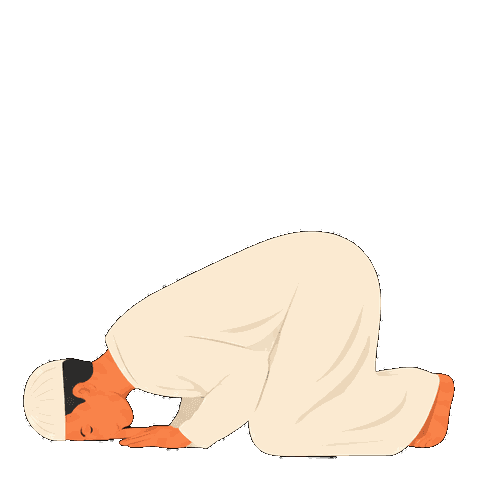
Say Allahu Akbar and prostrate. Rest your forehead and nose, both palms, both knees and the toes of both feet on the ground. Settle calmly; keep the forearms lifted when able.
What to recite · Commonly repeated 3 times
سُبْحَانَ رَبِّيَ الْأَعْلَى
Subhana Rabbiyal A‘la
Glory be to my Lord, the Most High.
JalsahSit between prostrationsSitting+
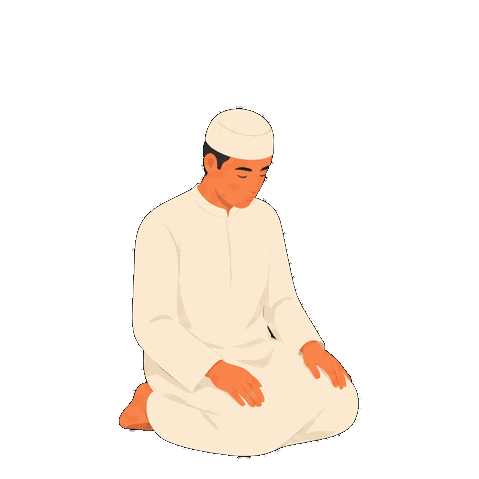
Say Allahu Akbar and sit up. While settled, say Rabbighfir li twice, as demonstrated in this guide. This is a reported supplication, not a claim that exactly two repetitions are obligatory in every school. Then say Allahu Akbar and make the second prostration.
What to recite · 2 times in this guide
رَبِّ اغْفِرْ لِي
Rabbighfir li
My Lord, forgive me.
TashahhudThe testimony of faithSitting+
Sit after the second rak‘ah and in the final rak‘ah. Recite the testimony. The gesture of the index finger and sitting posture have recognized differences between schools.
What to recite
التَّحِيَّاتُ لِلَّهِ وَالصَّلَوَاتُ وَالطَّيِّبَاتُ، السَّلَامُ عَلَيْكَ أَيُّهَا النَّبِيُّ وَرَحْمَةُ اللَّهِ وَبَرَكَاتُهُ، السَّلَامُ عَلَيْنَا وَعَلَى عِبَادِ اللَّهِ الصَّالِحِينَ، أَشْهَدُ أَنْ لَا إِلَهَ إِلَّا اللَّهُ، وَأَشْهَدُ أَنَّ مُحَمَّدًا عَبْدُهُ وَرَسُولُهُ
At-tahiyyatu lillahi was-salawatu wat-tayyibat. As-salamu ‘alayka ayyuhan-nabiyyu wa rahmatullahi wa barakatuh. As-salamu ‘alayna wa ‘ala ‘ibadillahis-salihin. Ashhadu an la ilaha illallah, wa ashhadu anna Muhammadan ‘abduhu wa rasuluh.
All greetings, prayers and good things are for Allah. Peace be upon you, O Prophet, and Allah’s mercy and blessings. Peace be upon us and Allah’s righteous servants. I bear witness that there is no deity but Allah, and Muhammad is His servant and messenger.
Durood IbrahimSend blessingsSitting+
In the final sitting, send blessings upon the Prophet ﷺ after the tashahhud.
What to recite
اللَّهُمَّ صَلِّ عَلَى مُحَمَّدٍ وَعَلَى آلِ مُحَمَّدٍ، كَمَا صَلَّيْتَ عَلَى إِبْرَاهِيمَ وَعَلَى آلِ إِبْرَاهِيمَ، إِنَّكَ حَمِيدٌ مَجِيدٌ. اللَّهُمَّ بَارِكْ عَلَى مُحَمَّدٍ وَعَلَى آلِ مُحَمَّدٍ، كَمَا بَارَكْتَ عَلَى إِبْرَاهِيمَ وَعَلَى آلِ إِبْرَاهِيمَ، إِنَّكَ حَمِيدٌ مَجِيدٌ
Allahumma salli ‘ala Muhammadin wa ‘ala ali Muhammad, kama sallayta ‘ala Ibrahima wa ‘ala ali Ibrahim, innaka Hamidum Majid. Allahumma barik ‘ala Muhammadin wa ‘ala ali Muhammad, kama barakta ‘ala Ibrahima wa ‘ala ali Ibrahim, innaka Hamidum Majid.
O Allah, bless Muhammad and the family of Muhammad as You blessed Ibrahim and his family. You are Praiseworthy, Glorious. O Allah, bestow Your blessings upon Muhammad and his family as You bestowed them upon Ibrahim and his family. You are Praiseworthy, Glorious.
Dua-e-MasuraAsk for forgiveness before salamSitting+
After Durood Ibrahim, remain seated and recite this supplication taught to Abu Bakr, commonly called Dua-e-Masura. Ask Allah for forgiveness and mercy, then complete the prayer with salam to your right and left. Other transmitted supplications may also be used here.
What to recite
اللَّهُمَّ إِنِّي ظَلَمْتُ نَفْسِي ظُلْمًا كَثِيرًا، وَلَا يَغْفِرُ الذُّنُوبَ إِلَّا أَنْتَ، فَاغْفِرْ لِي مَغْفِرَةً مِنْ عِنْدِكَ وَارْحَمْنِي، إِنَّكَ أَنْتَ الْغَفُورُ الرَّحِيمُ
Allahumma inni zalamtu nafsi zulman kathiran, wa la yaghfirudh-dhunuba illa anta, faghfir li maghfiratan min ‘indika warhamni, innaka antal-Ghafurur-Rahim.
O Allah, I have greatly wronged myself, and only You forgive sins. Grant me forgiveness from You and have mercy on me. You are the Forgiving, the Merciful.
SalamComplete your prayerSalam+
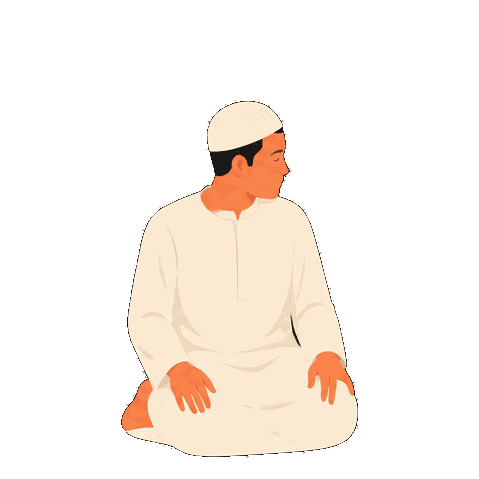
While seated, turn your head to your right and say the full greeting once. Then turn to your left and say the full greeting again. This guide demonstrates both greetings before completing the prayer.
What to recite · Once to your right, then once to your left
السَّلَامُ عَلَيْكُمْ وَرَحْمَةُ اللَّهِ
As-salamu ‘alaykum wa rahmatullah
Peace and the mercy of Allah be upon you.
QunutSupplication in WitrFolded hands+
In this three-rak‘ah Hanafi sequence, say an additional takbir and recite qunut before bowing in the third rak‘ah. This is one transmitted qunut supplication; wording and placement vary by school.
What to recite
اللَّهُمَّ اهْدِنِي فِيمَنْ هَدَيْتَ وَعَافِنِي فِيمَنْ عَافَيْتَ وَتَوَلَّنِي فِيمَنْ تَوَلَّيْتَ وَبَارِكْ لِي فِيمَا أَعْطَيْتَ وَقِنِي شَرَّ مَا قَضَيْتَ فَإِنَّكَ تَقْضِي وَلَا يُقْضَى عَلَيْكَ وَإِنَّهُ لَا يَذِلُّ مَنْ وَالَيْتَ تَبَارَكْتَ رَبَّنَا وَتَعَالَيْتَ
Allahummah-dini fiman hadayt, wa ‘afini fiman ‘afayt, wa tawallani fiman tawallayt, wa barik li fima a‘tayt, wa qini sharra ma qadayt, fa innaka taqdi wa la yuqda ‘alayk, wa innahu la yadhillu man walayt, tabarakta Rabbana wa ta‘alayt.
O Allah, guide me among those You have guided, grant me well-being, take me into Your care, bless what You have given me and protect me from the evil of what You have decreed. You decree and none decrees over You. Those You befriend are not humiliated. Blessed and exalted are You, our Lord.
Additional takbirsFollow your imamTakbir+
Eid includes additional takbirs. In the Hanafi sequence shown here, offer three extra takbirs before recitation in the first rak‘ah and three after recitation in the second. Other schools use different counts; follow your imam.
What to recite · 3 additional takbirs in this sequence
اللَّهُ أَكْبَرُ
Allahu Akbar
Allah is the Greatest.
Dua for the deceasedPray for forgivenessStanding+
After the third takbir, sincerely supplicate for the deceased. This short form is part of a longer transmitted dua; pronouns may be adapted for the deceased.
What to recite
اللَّهُمَّ اغْفِرْ لَهُ وَارْحَمْهُ وَعَافِهِ وَاعْفُ عَنْهُ
Allahummaghfir lahu warhamhu wa ‘afihi wa‘fu ‘anhu.
O Allah, forgive him, have mercy on him, grant him well-being and pardon him.
Dua of IstikharaAsk for what is goodSitting+
After the two rak‘ahs, ask Allah to choose what is best. Mention your matter at “this matter”. This supplication is after the prayer, not an extra rak‘ah or a required sitting posture.
What to recite
اللَّهُمَّ إِنِّي أَسْتَخِيرُكَ بِعِلْمِكَ وَأَسْتَقْدِرُكَ بِقُدْرَتِكَ وَأَسْأَلُكَ مِنْ فَضْلِكَ الْعَظِيمِ، فَإِنَّكَ تَقْدِرُ وَلَا أَقْدِرُ وَتَعْلَمُ وَلَا أَعْلَمُ وَأَنْتَ عَلَّامُ الْغُيُوبِ. اللَّهُمَّ إِنْ كُنْتَ تَعْلَمُ أَنَّ هَذَا الْأَمْرَ خَيْرٌ لِي فِي دِينِي وَمَعَاشِي وَعَاقِبَةِ أَمْرِي فَاقْدُرْهُ لِي وَيَسِّرْهُ لِي ثُمَّ بَارِكْ لِي فِيهِ، وَإِنْ كُنْتَ تَعْلَمُ أَنَّ هَذَا الْأَمْرَ شَرٌّ لِي فِي دِينِي وَمَعَاشِي وَعَاقِبَةِ أَمْرِي فَاصْرِفْهُ عَنِّي وَاصْرِفْنِي عَنْهُ وَاقْدُرْ لِيَ الْخَيْرَ حَيْثُ كَانَ ثُمَّ أَرْضِنِي بِهِ
Allahumma inni astakhiruka bi ‘ilmika, wa astaqdiruka bi qudratika, wa as’aluka min fadlikal ‘azim. Fa innaka taqdiru wa la aqdir, wa ta‘lamu wa la a‘lam, wa anta ‘allamul ghuyub. Allahumma in kunta ta‘lamu anna hadhal amra khayrun li fi dini wa ma‘ashi wa ‘aqibati amri, faqdurhu li wa yassirhu li thumma barik li fih. Wa in kunta ta‘lamu anna hadhal amra sharrun li fi dini wa ma‘ashi wa ‘aqibati amri, fasrifhu ‘anni wasrifni ‘anhu, waqdur liyal khayra haythu kana thumma ardini bih.
O Allah, I seek Your guidance through Your knowledge and ability through Your power, and I ask of Your immense favor. You have power and I do not; You know and I do not; You know the unseen. If this matter is good for my religion, livelihood and outcome, decree it for me, make it easy and bless it. If it is harmful to my religion, livelihood and outcome, turn it away from me and me from it. Decree what is good wherever it may be, then make me content with it.
Stand for the next rak‘ahContinue with calmStanding+
Say Allahu Akbar and rise to stand for the next rak‘ah. Once upright, resume the standing position and begin Al-Fatihah. Move according to your ability; do not rush.